Artisanal Heritage
Craft Families
Traditional weaving and textiles
Tents, carpets, veils, embroidery, natural dyes.
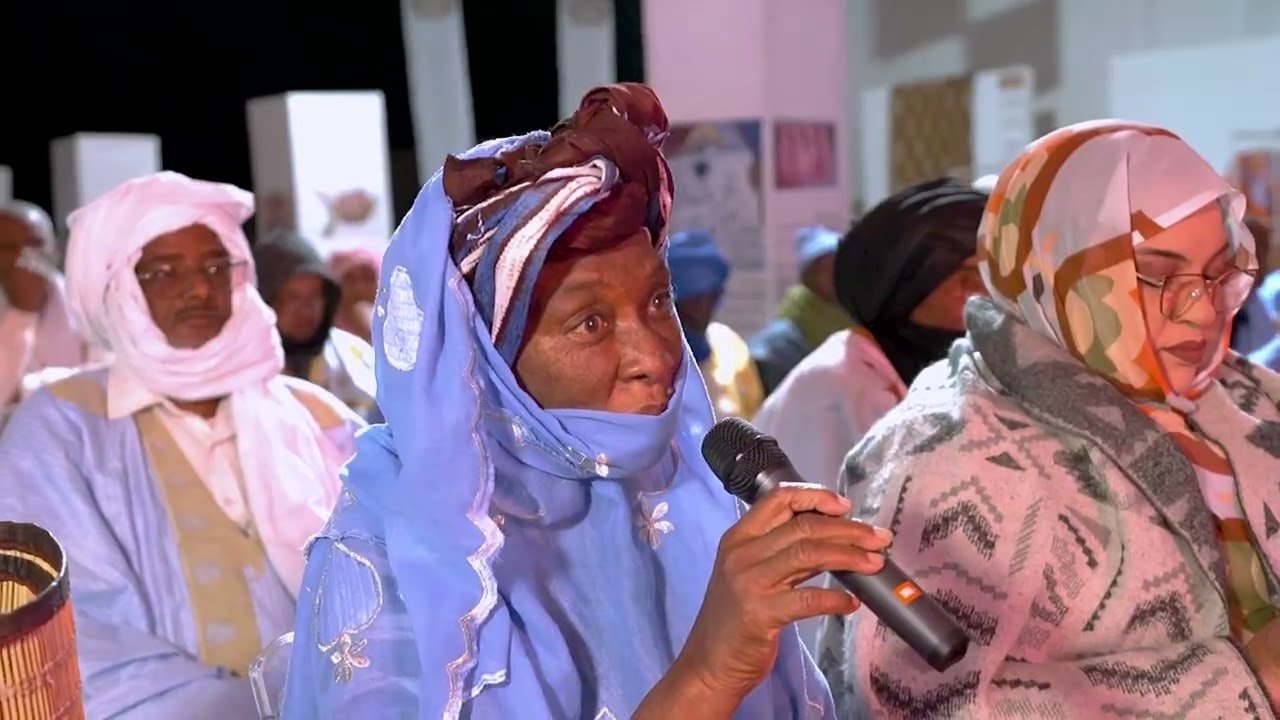
An ancestral craft often practiced by women, textile work encompasses spinning, weaving, and the art of dyeing, particularly with natural plant-based dyes (goobu/garaa). It produces essential elements of clothing, such as the *melhfa* (women’s veil), as well as fundamental pieces for nomadic dwellings, including tents, hangings, and carpets (*nziz*). These textiles are powerful carriers of identity, adorned with geometric patterns that convey cultural values and social narratives.
Leatherwork
Bags, sandals, saddles, decorations, and other items.
Leather is a primary material deeply tied to nomadic identity. Artisans transform it into functional objects (sandals, *tasoufra* bags, *iliwich*) or decorative pieces, sometimes even symbols of nobility. Their craft is expressed through engraving, dyeing, and metal studding, enriching each item with symbols that give it high social and spiritual value.
Woodwork and carving
Chests, utensils, furniture, decorative elements.
This craft shapes wood into pieces that are both durable and highly aesthetic. It includes decorative carpentry (engraved doors and chests), furniture, and everyday household utensils. Woodworking is an art of memory that characterizes architecture and interior furnishings, especially in ancient cities, making wood a medium of style and inter-community cultural expression.
Metals and jewelry
Silver, copper, gold, utilitarian or ornamental objects.
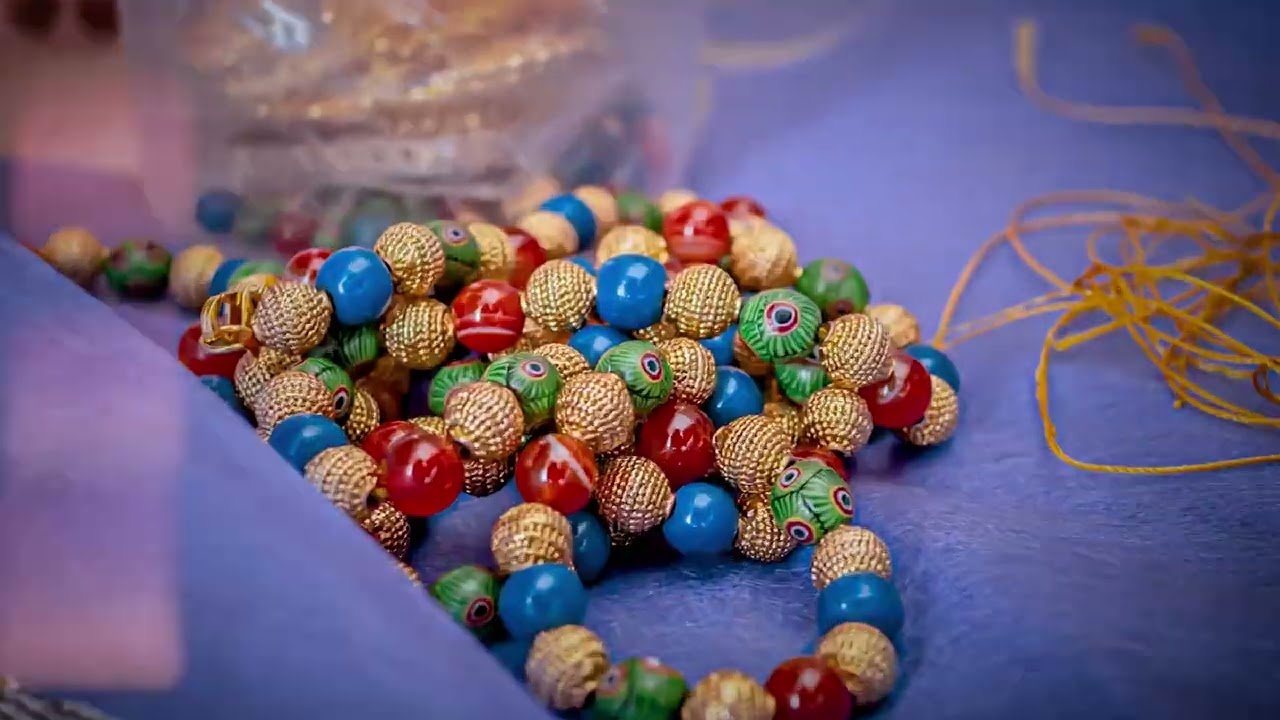
Heir to a long tradition of blacksmithing and jewelry making, this specialized craft uses metals such as silver, copper, and gold, often sourced from traditional mining areas. It produces utilitarian objects (tools) as well as ornamental pieces such as fibulas, necklaces, and silver bracelets. Jewelry—especially silver—carries strong symbolism, reinforcing the social status and identity of those who wear it.
Pottery and ceramics
Tableware, jars, ritual and artistic objects.
An ancient practice evidenced by archaeological remains, pottery is particularly developed in the river valley where clay is abundant. Potters (among whom the Fulani hold rich traditions) produce tableware, as well as jars and *guerba* water containers for storage. Adorned with geometric motifs, ceramics are essential for domestic life and for storage adapted to the constraints of the arid climate.
Basketry and plant fibers
Mats, baskets, and woven objects made from palm-derived materials.
Rooted in the use of plant fibers—particularly those from the Sahelo-Saharan environment and date palms—basketry is an ingenious craft. It encompasses weaving, assembly, and ritual basketry. Artisans create hospitality mats essential for mobile dwellings, baskets for transport, and a variety of functional objects. This art reflects the communities’ ability to transform limited natural resources into functional and aesthetic products.
Local products inspired by tangible and intangible heritage
This category highlights products that preserve the complex know-how and intangible heritage of communities. It covers the transformation of specific natural resources (aromatic plants, gums, minerals) into sophisticated and durable products: beauty items, traditional hairstyles, incense, natural pigments, and more. These products embody intricate skills and social rituals, expressing identity and creativity through objects whose symbolic value transcends their immediate utility. These “local products” carry cultural meaning and human significance, acting as vectors of memory and creative identity beyond simple consumption.